A Designer's Take on the Heart-Shaped Love Embroidery
When a new embroidery file lands on my desktop, I'm not just looking at the preview image. I'm thinking about how it will stitch out on real fabric, how it will feel in the hands of a customer, and what kind of story it will tell on a finished product. The Love with Heart Shape design is one of those files that immediately sparks a practical evaluation.
First Impressions: More Than Just Valentine's Day
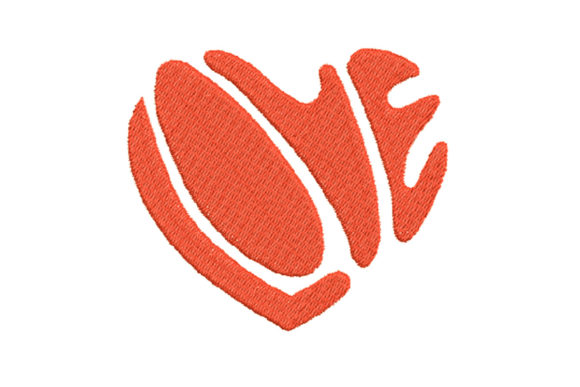
The immediate mood here is undeniably romantic, but it’s a clean, classic romanticism. The design isn't overly fussy or dripping with ornamentation. It presents a clear, heart-shaped framework for the word "Love," which gives it a certain versatility. This isn't exclusively a Valentine S Day design, though it would be a star player for that category. It speaks to a broader, evergreen sentiment – affection, gift-giving, and personal connection. The layout is balanced, and the detail level appears manageable, without overly dense areas that could cause puckering on lighter fabrics. Its visual personality is friendly and approachable, perfect for the kinds of projects my clients often request.
The Real-World Embroidery Scenario: A Custom Tote Bag
Let’s walk through a typical scenario. A client asks for a personalized tote bag as a gift. They want something heartfelt but not overly sentimental. I see this machine embroidery design working beautifully here. Stitched onto a natural canvas tote, the satin stitches of the heart and the fill stitches of the letters would create a lovely, tactile texture. The scale is important – it would need to be sized to become a central feature on the bag's front panel, not a tiny accent. I imagine it stitching out cleanly, with good clarity on the lettering. The customer receiving the bag would recognize the care in the handmade product, and the design itself elevates the item from a simple bag to a personalized gift. This is the kind of application where a design proves its value.
Where This Design Finds Its Home
Beyond tote bags, my mental list of suitable applications starts growing. For custom apparel, a well-placed embroidery on the chest of a high-quality sweatshirt or a baby’s onesie would be charming. As an embroidered patch, it could be applied to a backpack or jacket. For home decor, a single stitch-out on a pillow cover or a tea towel creates instant, understated charm. For small business owners and Etsy sellers, this file is a solid design asset. It could be the centerpiece for a line of holiday gifts, boutique kitchen towels, or nursery decor items. It has that giftability factor that buyers look for. In commercial embroidery projects, such as a small run of caps for a local business, its clear shapes would likely stitch reliably, provided the curved surface of the cap is managed with proper stabilizer.
Practical Considerations: Where to Use with Care
My experience dictates caution in certain applications. The success of any design hinges on preparation. For Love with Heart Shape, I would be mindful of stitching it on very stretchy fabrics or thin, delicate materials without rigorous stabilization. The heart shape likely involves some satin stitch borders, which can pull on unstable bases. Dark fabric backgrounds require thoughtful thread color choices for maximum contrast and impact. If the design includes very small lettering within the heart, stitching it on textured fabrics like some sweaters might lose clarity. And, for products destined for frequent washing, like kitchen towels or baby clothes, ensuring the stitch density isn't so high that it stiffens the fabric is key. A stiff, dense embroidery patch on a soft towel feels cheap, not premium.
How This Design Impacts Your Craft Business
From a business perspective, using a reliable, appealing design like this affects more than just the single item. It builds customer trust through consistent, quality results. It enhances the visual appeal of your entire product line, making your handmade presentation more professional. For a creative entrepreneur selling digital embroidery files, a clean, versatile design like this is a strong offering. It fits into multiple categories, from Valentine S Day to general love-themed projects, making it a valuable asset for other makers. Its recognisable sentiment engages buyers quickly, whether they're browsing your Etsy listings or seeing a product at a craft fair.
Essential Designer Notes Before You Hoop Anything
Before I commit this design to a client's garment or my own shop merchandise, my process is always the same. These notes are non-negotiable for professional results.
- Always test on scrap fabric first. Use the same material and stabilizer combination as your final project.
- Check thread color contrast against your background fabric. Sometimes the preview on screen doesn't translate perfectly.
- Review the stitch density in the preview software. Are there extremely dense areas that might require adjustments for specific fabrics?
- Confirm the hoop size you'll need for your intended final product size. Don't assume.
- Inspect the small details. Zoom in on the file preview to see if any tiny corners or connections might be problematic on your machine.
- Test the design in black and white mockups for your online shop listings. Does it have clear form even without color?
- Compare how it looks conceptually on both light and dark fabric backgrounds. Your product line might include both.
- Use proper stabilizer. This is the foundation of a clean stitch-out.
- Check the licensing terms provided with the file. Does it allow for commercial use, selling finished products, or is it for personal use only? Never assume.
- Finally, step back and think: does this embroidery project align with your brand or your client's request? A good design file is a tool, and its best use is always intentional.
The Love with Heart Shape embroidery design, from my practical viewpoint, is a dependable, sentiment-driven file. It won't solve every project need, but for a wide range of romantic, gift-oriented, and personalization-focused work, it’s a strong contender. Its success will come from the maker’s careful application – pairing it with the right fabric, the right stabilizer, and the right product vision. When that happens, it will stitch out as beautifully as the preview promises, and the finished product will carry that warmth into someone's hands.